Lomography Lomomatic 110: Compact Analog Precision for Modern Creatives
Choosing a dedicated pocket film tool often forces a compromise between toy-like plastic build quality and vintage cameras plagued by failing electronics. If you are researching the Lomography Lomomatic 110 to determine…
By Brian Carver 10 min read

Lomography Lomomatic 110
Lomography
Very good
Our score: 8.8/10
Scores are out of 10, based on listed specifications and buyer feedback.
- Specs listed
- 10
- Section
- Cameras & Drones
Check price on Amazon We may earn a commission if you buy through this link.
As Amazon Associates, we earn from qualifying purchases. This means we may receive a small commission at no extra cost to you if you click through and make a purchase.
Choosing a dedicated pocket film tool often forces a compromise between toy-like plastic build quality and vintage cameras plagued by failing electronics. If you are researching the Lomography Lomomatic 110 to determine if it is the right analog companion for your creative routine, the short answer is yes for photographers who value genuine glass optics and automated metering in an ultra-compact body. Lomography designed this particular edition—the Golden Gate model featuring a colorful body with distinctive gold accents—to modernize miniature analog photography. Instead of guessing shutter speeds or dealing with degraded vintage shutter seals, you get a fresh, reliable mechanism engineered around the cartridge-based 110 film system.
This comprehensive lomography lomomatic 110 review breaks down what you can realistically expect from the camera regarding everyday handling, sharpness, exposure latitude, and technical quirks. We analyze the lomomatic 110 specs, examine the optical fidelity of the multi-element glass lens, walk through how the automated exposure and zone focusing perform in real-world lighting, and assess whether the format fits your shooting lifestyle. By comparing its capabilities against other portable film options, this guide provides the clear technical context you need before adding this pocket camera to your daily gear rotation.



What You Get With the Lomography Lomomatic 110
The Lomography Lomomatic 110 package provides a self-contained, pocket-ready analog setup centered around creative control and pocket mobility. The manufacturer equips the camera with a distinct mechanical sliding chassis that protects the glass optics and viewfinder during transit while remaining immediately accessible when you encounter an impromptu scene.
In the box
- Minitar CX glass lens engineered for superior sharpness and contrast
- Automatic exposure system paired with a maximum shutter speed reaching 30 seconds
- Dual aperture settings allowing flexibility between shallow depth and expanded focus
- Zone focusing mechanism with tactile distance settings for rapid subject acquisition
- Controllable ISO settings to calibrate the camera meter to different cartridge sensitivities
- Classic 110 sliding body mechanism that doubles as a protective shell and film advance
- Distinctive Golden Gate aesthetic featuring a colorful camera body with gold accents
- Native support for standard 110 pocket film cartridges in black and white or color
- Built-in media housing integrating the camera body and optical assembly
Key Specifications
| Brand | Lomography |
|---|---|
| Model Name | Lomomatic 110 |
| Film Format Type | 110 Film Cartridge |
| Lens Construction | Minitar CX Glass Lens |
| Exposure Control | Fully Automatic Exposure Metering |
| Aperture Control | Dual Aperture Settings |
| Maximum Shutter Speed | Up to 30 Seconds for Long Exposures |
| Focusing Method | Manual Zone Focusing Presets |
| ISO Sensitivity | Controllable ISO Settings |
| Weather Resistance | Not Water Resistant |
All 29 attributes from the listing
| Features | Auto Exposure, Compact |
|---|---|
| Film Format | 110 |
| Film Color Type | black and white |
| Compatible Devices | Lomography Camera |
| Maximum Shutter Speed | 30 seconds |
| Compatible Camera Film Format Type | 110 |
| Exposure Control | Automatic |
| Aspect Ratio | 4:3 |
| Color | colorful (with gold accents) |
| File Format | JPEG |
| Light Sensitivity | Controllable ISO settings |
| Media Type | ProductImage |
| Water Resistance Level | Not Water Resistant |
| Brand | Lomography |
| Built-In Media | Camera Body & Lens |
| Model Name | Lomomatic 110 |
| Unit Count | 1 Count |
| Global Trade Identification Number | 09007710636278 |
| Manufacturer | lomography |
| Manufacturer Part Number | hp110cnf |
| Model Series | Lomomatic |
| Number of Items | 1 |
| Best Sellers Rank | #471,466 in Electronics (See Top 100 in Electronics) #1,184 in Instant Film Cameras |
| ASIN | B0DTHHPX43 |
| Special Feature | Auto Exposure, Compact |
| Film Format Type | 110 |
| Included Components | Camera Body & Lens |
| Film Color | black and white |
| Max Shutter Speed | 30 seconds |
Figures as published by the manufacturer on the Amazon listing.
Optical Clarity and the Minitar CX Glass Lens
Most cameras operating in the miniature cartridge category have historically relied on single-element plastic meniscus optics, resulting in soft edges, pronounced chromatic aberration, and lackluster contrast. The inclusion of the lomomatic 110 glass lens changes this dynamic entirely. By equipping the camera with a multi-coated Minitar CX glass assembly, the manufacturer resolves fine textures and sharp lines far more effectively than disposable alternatives or vintage plastic bodies. For photographers who want their prints and high-resolution scans to show crisp grain structure rather than blurred vignetting, this optical configuration provides a noticeable leap forward in rendering quality.
The miniature frame size of the lomomatic 110 film format measures roughly 13mm by 17mm, which is less than a quarter of the surface area found on a standard 35mm negative. Because the film area is diminutive, optical clarity at the lens stage is critical; any lens imperfection is heavily magnified during digital scanning or darkroom enlargement. The Minitar CX lens maintains commendable center-to-corner sharpness across the native 4:3 aspect ratio, allowing fine details in architecture, portraits, and street scenery to resolve cleanly. While it still preserves the organic warmth and texture unique to analog film, it avoids the smudged highlights that often frustrate serious creators using entry-level toy cameras.
Working with the dual aperture settings on this glass lens gives you direct creative control over light gathering and depth of field. Switching between the wider and narrower aperture settings lets you separate your subject from the background or expand depth when shooting expansive cityscapes. When combined with the high-grade glass elements, these settings ensure that the resulting frames exhibit rich micro-contrast and accurate tonal transitions, making it a compelling tool for anyone who appreciates the character of analog photography without sacrificing edge definition.
Exposure Controls and Low-Light Flexibility
Accurate exposure has always been one of the primary hurdles with vintage pocket cameras, which frequently locked users into a single fixed shutter speed of 1/100s regardless of whether they were shooting in direct midday sun or dense evening shade. The lomomatic 110 auto exposure system addresses this challenge directly through integrated electronic metering. By dynamically measuring ambient light and adjusting the shutter opening time automatically, the camera ensures that your negative receives adequate exposure across fluctuating lighting environments, reducing the risk of thin, underexposed film cartridges.
The versatility of the lomomatic 110 camera settings becomes especially evident when handling low-light situations and evening scenes. With a maximum shutter speed extending all the way to 30 seconds, this compact tool can capture vibrant dusk cityscapes, light trails, and dimly illuminated interiors that would be impossible on fixed-shutter analog toys. Users can adjust the controllable ISO settings to align the internal meter with their loaded cartridge, ensuring the electronic brain balances aperture and exposure duration accurately. Those who have operated classic electronic aperture-priority tools like the olympus om 10 will appreciate having similar automated metering security housed in a chassis that fits inside a jacket pocket.
This automated metering workflow allows creators to focus on composition and timing rather than getting bogged down in external light meter calculations. While modern digital bodies like the nikon z 30 body offer instant feedback on an electronic screen, the Lomomatic relies on solid analog engineering to deliver predictable film density. The dual aperture switch complements the auto exposure by giving you a tangible mechanical toggle to prioritize either ambient light absorption or broader depth, providing just enough manual discretion to satisfy experienced photographers while keeping the capture process fast and unobtrusive.
Everyday Carry Form Factor and Mechanical Build
As an everyday carry companion, the sliding chassis of the Lomomatic 110 pays homage to the beloved subminiature cameras of the 1970s while refining the tactile experience for modern users. Selecting the lomomatic 110 for everyday carry means having a camera that collapses into an ultra-slim, self-casing rectangle when closed. Pulling the body outward reveals the viewfinder and lens while simultaneously cocking the internal shutter and advancing the film cartridge to the next frame. This smooth push-pull operation eliminates the need for protruding lens caps or delicate accessory bags, making it seamless to store in a trouser pocket or small sling bag.
The Golden Gate edition stands out with its colorful housing accented by bright gold details, providing a bold aesthetic personality that distinguishes it from utilitarian black plastic gadgets. Despite its stylish appearance, the build feels sturdy and purposeful in the hands, offering a tactile mechanical snap during the opening and closing movement. The compact dimensions and rectangular layout make one-handed framing straightforward, allowing you to react quickly when candid street opportunities unfold. Similar to how pocket digital cameras like the vintage cannon elph 110 prioritized pocketable convenience without requiring heavy bags, this analog counterpart delivers unmatched everyday accessibility.
It is important to remember that the listing explicitly confirms the camera is not water resistant. Because the sliding mechanism features moving seams and physical openings for film loading and extension, the camera should be protected from direct rain, snow, heavy splashing, and abrasive beach sand. For urban commuting, creative studio sessions, weekend travel, and casual social gatherings, however, the compact form factor offers durability and rapid deployment that seamlessly integrates into a busy professional routine.
Zone Focusing System and Rapid Composition
Rather than relying on modern autofocus sensors that can hunt or hesitate in low-contrast environments, the Lomomatic uses an intuitive manual zone focusing configuration. The lomomatic 110 zone focus mechanism lets you pre-select your focusing distance before you even raise the camera to your eye. By providing designated distance intervals, the mechanism allows you to establish focus instantly based on estimated distance to your subject, whether you are capturing an intimate portrait, mid-distance street interactions, or an expansive landscape horizon.
In practice, zone focusing is one of the fastest capture methods in street and documentary photography because it completely bypasses shutter lag. Once your distance zone is set, pressing the shutter button trips the mechanism instantly without electronic delay. Paired with the optical depth of field provided by the small 110 film format, minor distance calculation errors are frequently absorbed within the acceptable zone of sharpness, especially when utilizing the narrower aperture setting. This makes candid street portraits and moving subjects far easier to capture crisply than on cameras requiring manual rangefinder alignment.
The visual feedback on the camera allows you to check your active focus zone with a quick glance at the body markings before opening the sliding chassis. This tactile workflow encourages an active, mindful relationship with your photographic surroundings. You learn to read physical distances accurately, resulting in a fluid shooting cadence where you compose through the bright optical framing window and trip the shutter smoothly without breaking visual engagement with your environment.
Lomography Lomomatic 110 Pros and Cons
Pros
- Multi-coated Minitar CX glass lens
- Automatic exposure with 30-second shutter capability
- Sliding design protects optics and advances film
- Controllable ISO and dual aperture settings
- Tactile zone focusing presets
Cons
- Not water resistant
- Manual zone focusing instead of autofocus
- Restricted to 110 cartridge film format
Check Lomography Lomomatic 110 on Amazon
Is the Lomography Lomomatic 110 Worth It
Determining if the lomomatic 110 is worth it depends largely on what you demand from an analog shooting tool. If you are searching for the best 110 film camera manufactured in the modern era, this model stands virtually unchallenged. Most vintage pocket cameras on the secondhand market suffer from degraded selenium light meters, corroded battery compartments, and scratched plastic lenses. The Lomomatic eliminates these reliability headaches by delivering pristine multi-element glass optics, responsive auto exposure metering, and full compatibility with fresh 110 film stocks currently in active production.
For creative professionals, designers, and analog enthusiasts who want an effortless everyday carry camera that produces authentic film aesthetics with respectable sharpness, this camera hits the mark. It provides an immediate tactile escape from digital screens while maintaining sufficient optical discipline to generate distinctive portfolio prints and scan-ready negatives. The automated shutter speeds reaching 30 seconds and the dual aperture settings offer creative flexibility that outclasses any disposable camera on the market.
However, this camera may not be the ideal match for individuals who demand complete manual exposure control over exact shutter increments, or for those who strictly prefer larger 35mm or medium format film stocks due to scanning lab convenience. Additionally, because the body lacks water resistance, outdoor adventurers operating in extreme marine or alpine environments will need protective storage. But for street capture, lifestyle documentation, and pocketable analog exploration, this camera provides unmatched charm and dependable mechanical performance.
Other Options to Consider
| Model | Our score | Why it is here |
|---|---|---|
 LomographyLomography Lomomatic 110 110 Film Camera – Golden Gate Colorful Automatic Exposure…Reviewed here |
8.8/10Very good | The model reviewed on this page. View listing |
 FujifilmFujifilm QuickSnap Flash 400 One-Time-Use Camera – 2 Pack |
9.4/10Excellent | Fujifilm QuickSnap Flash 400 One-Time-Use suits casual shooters and event attendees who want a completely zero-maintenance 35mm film experience in a two-pack without managing reloadable film cartridges, zone focus settings, or long-term camera care. View listing |
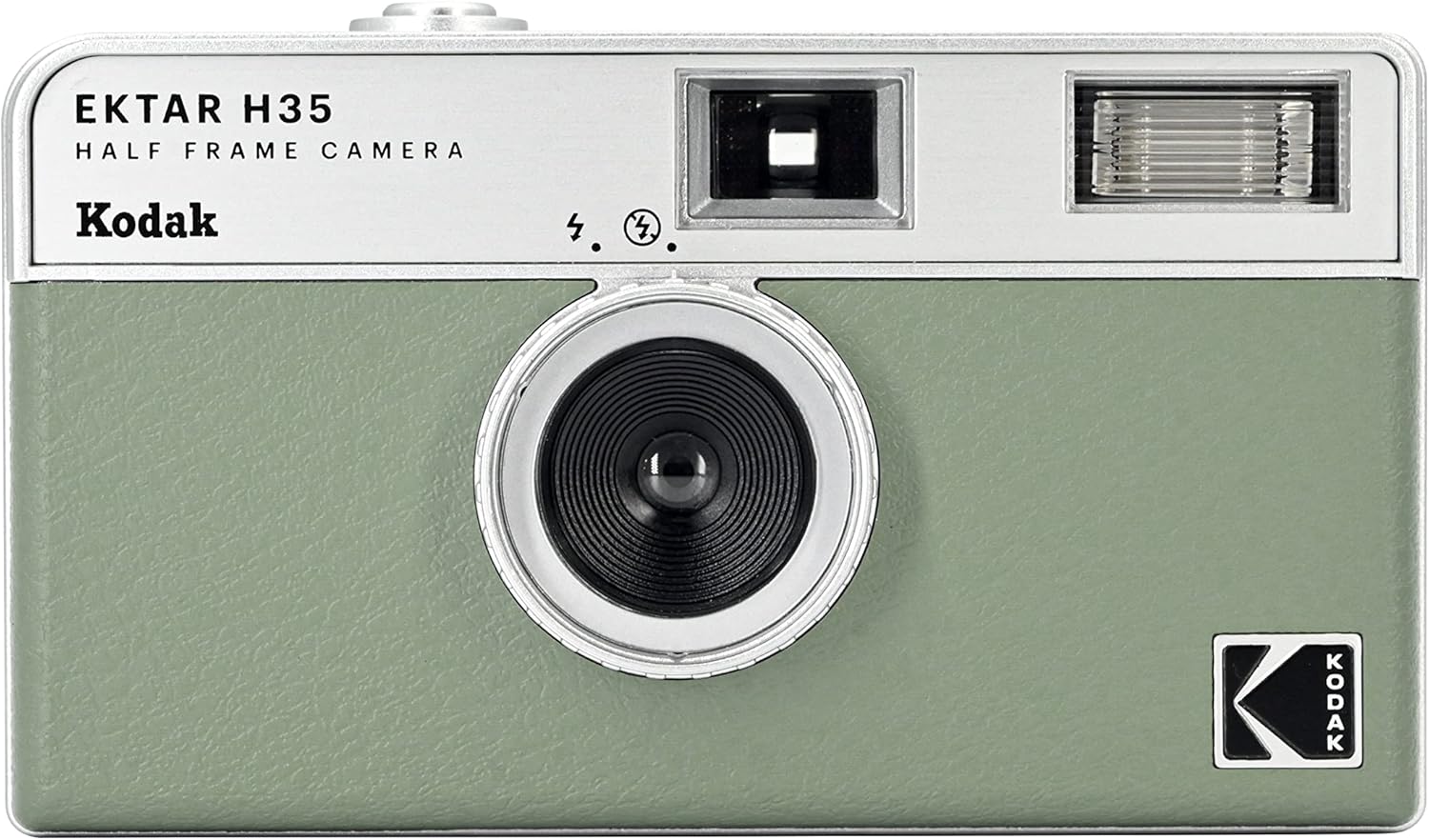
 KodakKODAK EKTAR H35 Half Frame Film Camera, 35mm, Reusable, Focus-Free, Lightweight, Easy-to-Use… |
8.4/10Good | KODAK EKTAR H35 Half Frame suits budget-conscious film photographers who want to maximize frame count by capturing two exposures per standard 35mm frame in a lightweight, reusable, focus-free body rather than shooting miniature 110 cartridges. View listing |
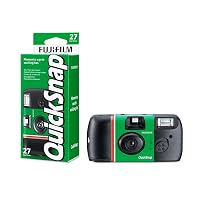 FujifilmFujifilm QuickSnap Flash 400 One-Time-Use Camera – 27 Exposures |
9.2/10Very good | 35mm disposable camera with 400 suits party hosts, wedding guests, and occasional vacation travelers who simply need an inexpensive single-use camera loaded with 27 exposures of 400-speed film and a built-in flash for effortless snapshot utility. View listing |
Scores are out of 10, based on listed specifications and buyer feedback. Prices are the ones on the listing when this page was written.
FAQ
What film format does the Lomography Lomomatic 110 use?
The camera uses standard 110 pocket film cartridges, which drop directly into the camera chamber without manual film threading or rewinding. Lomography and specialty retailers produce both black-and-white and color 110 film stocks designed specifically for this format.
Does the Lomomatic 110 have automatic exposure?
Yes, the camera features an integrated automatic exposure system that measures ambient light levels and automatically selects the appropriate shutter duration, supporting exposure times up to 30 seconds for creative long-exposure night photography.
What makes the Minitar CX glass lens different from standard pocket camera lenses?
Unlike traditional disposable cameras and vintage pocket cameras that rely on simple plastic lenses, the Minitar CX is constructed from optical glass, which significantly enhances image sharpness, contrast, and color rendition across the 4:3 aspect ratio frame.
How does the zone focusing mechanism work on this camera?
The zone focusing system features preset distance increments marked on the camera body. Before shooting, you select the distance range corresponding to your subject, which locks the glass lens to that focal plane without requiring autofocus or complex rangefinder focusing.
Is the Lomography Lomomatic 110 waterproof or weather-resistant?
No, the product listing confirms that the Lomomatic 110 is not water resistant. Due to its moving sliding mechanism and physical seams, the camera should be protected from rainfall, heavy splashing, and excessive humidity.
Can you adjust the ISO sensitivity on the camera?
Yes, the camera includes controllable ISO settings, allowing you to calibrate the internal metering system to the specific film sensitivity loaded into the cartridge chamber for accurate exposure calculation.
More Cameras & Drones ratings
See the section
Olympus LI-50B Battery: Decisive OEM Replacement Guide
When bringing a legacy compact camera back into active service, securing an authentic Olympus LI-50B battery pack provides immediate peace of mind. Sourcing an…

Olympus Stylus Tough 8010: Essential Rugged Camera Analysis
Evaluating whether a dedicated compact camera belongs on a modern job site requires looking past touchscreens and wireless gimmicks to focus strictly on physical…

GoPro Media Mod for HERO10: The Quick Professional Verdict
When planning to build a compact video rig, creators often ask whether adding the GoPro Media Mod is the right move for their workflow.…
Buyer favourite Scored 9.0+/10

Canon PowerShot S110 Review: Pocket-Sized Pro Imaging
When selecting a portable camera that balances manual control with true pocket convenience, the Canon PowerShot S110 remains a compelling tool for mobile visual…

DJI Osmo Action 6 Review: Decisive Buying Advice for Creators
Choosing a flagship action camera for fast-paced video production requires cutting through marketing noise to examine core capture hardware. The DJI Osmo Action 6…
Get new ratings by email
A weekly digest of the products added to the ratings pages.